Halal vs Regular Meat: What Changes in Your Kitchen
Halal and regular meat compared for home cooks: slaughter, blood drainage, labels and taste, from RNK Foods, the halal frozen line made in Artesia, CA.
What is the difference between halal and regular meat?
The difference is in how the animal is slaughtered and handled, not in the species or the cut. Halal meat comes from a permitted animal slaughtered by a Muslim who recites the name of God over it, with the blood drained; regular meat from a conventional plant follows USDA rules but none of those religious requirements. For a home cook in Artesia, Long Beach or anywhere else in Southern California, the practical changes show up in where you buy, what the label says, and a few small things in the pan.
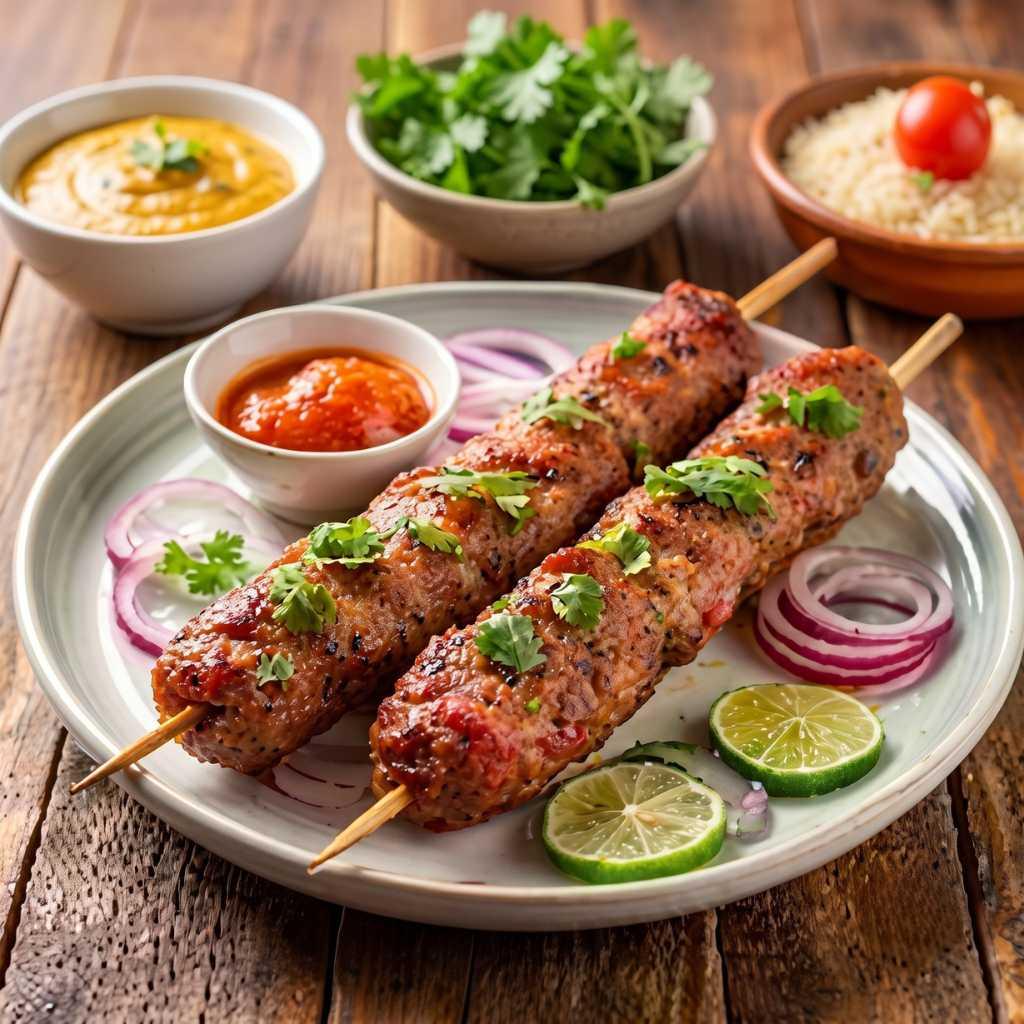
RNK Foods is the frozen-food line of the family behind the Ribs 'n' Kabobs restaurant at 18925 Norwalk Blvd, Artesia, CA 90701, and every kabob and samosa it makes uses zabiha halal meat. This post is the plain comparison we give customers who are new to halal, or who are cooking for a halal guest for the first time.
How does the slaughter differ?
Regular meat. In a conventional US plant the animal is stunned, usually with a captive bolt for cattle or electrical stunning for poultry, then killed. Poultry is almost always killed by machine. The process is inspected by the USDA for safety, but there is no religious requirement about who makes the cut or what is said.
Halal meat. The animal must be healthy and alive, a Muslim makes the cut by hand with a sharp blade, the name of God is recited over that animal, and the blood is drained. The strict form of this is called zabiha, and strict certifiers such as the Halal Food Standards Alliance of America do not accept machine slaughter at all. The longer explanation is in our guide to zabiha halal.
Both kinds of meat are still subject to the same federal food safety inspection. Halal adds a religious layer on top. It does not replace the USDA.
Does halal meat taste or cook differently?
Here is where we have to be careful about what is fact and what is preference.
The fact: halal slaughter requires full blood drainage. Many people prefer the result and describe halal meat as cleaner tasting, with less of the metallic note that trapped blood can give. That is a widely held preference, not a laboratory finding, and a well-handled conventional cut can taste excellent too.
Another thing often said: because halal animals must be alive and healthy at slaughter and are handled without unnecessary stress, the meat is often described as more tender. Again, many people report this. We would not print it on a label as a guarantee.
What does not change: cooking temperatures. Ground beef is safe at 160°F and chicken at 165°F, whatever the slaughter method. A halal seekh kabob and a conventional burger want the same thermometer.
Halal vs regular meat: side by side
| Halal (zabiha) meat | Regular meat | |
|---|---|---|
| Who slaughters | A Muslim, by hand | Plant worker or machine |
| Blessing recited | Yes, for each animal | No |
| Blood drainage | Required and complete | Standard commercial bleed |
| Pork | Never | Often processed in the same plant |
| Oversight | USDA plus a halal certifier | USDA only |
| Label to look for | Certifier name and the word zabiha | USDA grade and inspection mark |
| Taste | Often described as cleaner | Depends on the cut and handling |
What changes when you shop?
Three habits:
- Read for the certifier, not the word. "Halal" on its own is a claim by the seller. A certifier's name (HFSAA, for example) means someone outside the business checked.
- Ask about the kitchen as well as the meat. Halal meat cooked on a shared grill with pork is not what most halal families want. A fully halal kitchen avoids the problem, which is the point of our zero cross-contamination promise.
- Decide whether machine-slaughtered poultry is acceptable to you. Some labels allow it. Zabiha labels do not.
For RNK Foods packs the answers are fixed. The Beef Seekh Kabobs and Chicken Samosas, like all five products on the menu, are made from hand-slaughtered zabiha meat in a kitchen that is HFSAA-certified, has no pork and no alcohol on site, and has been run that way since the restaurant opened in Artesia in 2014.
What changes when you cook?
Less than people expect. A halal cut of the same animal behaves the same way in the pan. The real difference for most Southern California home cooks is convenience: halal butchers are fewer, so a freezer stocked with ready-made items saves a trip to Artesia or to a halal grocery in Anaheim or Cerritos.
RNK Foods kabobs cook straight from frozen: 2 to 3 minutes in the microwave, 4 to 6 minutes in a pan on medium with a little oil or butter, or 8 to 10 minutes at 375°F in the oven. Samosas go from frozen into a 350°F deep fryer for 5 to 8 minutes, a 400°F oven for 15 to 18 minutes, or an air fryer at 380 to 390°F for 12 to 16 minutes. Orders ship in insulated packaging across Southern California only, from Los Angeles County to San Diego County and the Inland Empire. The shipping policy lists the ZIP codes and the free-shipping threshold.
The bottom line for your kitchen
Halal meat is regular meat with a stricter, religious slaughter standard on top and, in a zabiha kitchen, a pork-free and alcohol-free environment around it. The taste differences are widely reported but personal. The safety rules, the thermometer and the recipe are the same. What changes most is trust: knowing who checked, and being able to look them up.
Frequently Asked Questions
Is halal meat healthier than regular meat?
There is no settled scientific answer. Many people prefer halal meat and often describe it as cleaner tasting because the blood is fully drained, but that is a preference rather than a proven health benefit. RNK Foods in Artesia uses zabiha halal meat for religious and quality reasons and does not make health claims about it.
Can I cook halal meat the same way as regular meat?
Yes. Halal meat is the same animal and the same cut, so recipes, cooking times and safe temperatures do not change: ground beef to 160°F, chicken to 165°F. RNK Foods seekh kabobs and samosas cook straight from frozen, with the times printed on each pack and listed on the product pages.
Does the word halal on a label always mean hand slaughtered?
No. Some certifiers accept machine slaughter of poultry with a recorded or batch blessing, while stricter ones such as HFSAA require a Muslim to cut each animal by hand. Look for the word zabiha or hand slaughtered and the certifier's name. RNK Foods products made in Artesia use hand-slaughtered zabiha meat only.
Where can I buy halal meat products near Artesia, CA?
RNK Foods sells frozen beef and chicken seekh kabobs and three kinds of samosas online, with delivery across Southern California or pickup at the Ribs 'n' Kabobs restaurant at 18925 Norwalk Blvd in Artesia. Artesia also has halal grocers in and around the Pioneer Boulevard Little India district, a short drive from the restaurant.
Taste It at Home
Hand-made, flash-frozen, 100% Zabiha Halal seekh kabobs and samosas, delivered across Southern California or picked up at the restaurant.
Ribs 'n' Kabobs, 18925 Norwalk Blvd, Artesia, CA 90701