What Is Zabiha Halal Meat? A Plain Guide for Home Cooks
Zabiha halal explained in plain words: the rules, hand vs machine slaughter, and what it means for the kabobs and samosas RNK Foods makes in Artesia, CA.
What does zabiha halal mean?
Zabiha halal is meat from an animal slaughtered by hand by a Muslim who recites the name of God over it, with the blood fully drained. Every kabob and samosa that RNK Foods packs in Artesia, CA is made from zabiha halal meat, and that is the standard home cooks across Southern California usually mean when they type "zabiha" into a search bar. This guide explains the word, the rules behind it, and how to check a pack or a restaurant for yourself.
RNK Foods is the frozen-food line of the family behind the Ribs 'n' Kabobs restaurant at 18925 Norwalk Blvd, Artesia, CA 90701. The restaurant has been HFSAA-certified since it opened in 2014, so this question comes up at the counter all the time. Here is the answer we give.
Is zabiha the same as halal?
Not quite, and the difference matters when you shop.
Halal is the broad word. It means permissible under Islamic law and covers everything from the type of animal (no pork) to what else is in the food (no alcohol). Zabiha, sometimes spelled dhabiha, is narrower. It describes the method of slaughter. Meat can be labelled halal by a seller who only means "no pork" and has not looked at how the animal was killed. Meat labelled zabiha halal is making the stronger claim: a Muslim slaughtered this animal by hand, in the prescribed way.
When people say "100% zabiha" they mean the stronger claim applies to every piece of meat in the kitchen, not just some of it. For what changes when you cook it at home, see halal vs regular meat.
What are the rules of zabiha slaughter?
The rules are consistent across the major halal certifiers in the United States, including the Halal Food Standards Alliance of America. In plain words:
- The animal must be a permitted species, healthy and alive at the time of slaughter.
- A Muslim performs the slaughter by hand, with a sharp blade.
- The name of God is recited over each animal as it is slaughtered.
- The cut severs the throat, windpipe and the main blood vessels in one swift motion, so the animal is not made to suffer more than necessary.
- The blood is drained fully before the carcass is processed.
There is some variation between schools of thought on details, such as whether any stunning before the cut is acceptable. Stricter certifiers do not allow it. If a point like that matters to you, the certifier's own standard is the place to read, and hfsaa.org publishes HFSAA's.
What is the difference between zabiha and machine slaughter?
This is the question that separates two labels on the same shelf.
In large commercial poultry plants, birds are often killed by a rotating mechanical blade, with a recording of the blessing played, or with one person reciting over a line of hundreds of birds. Some certifiers accept this as halal. Stricter ones, including HFSAA, do not: they require a Muslim to make the cut on each animal by hand and to recite the name of God for that animal.
| Zabiha (hand slaughter) | Machine slaughter | |
|---|---|---|
| Who makes the cut | A Muslim, by hand | A mechanical blade |
| The blessing | Recited for each animal | Recorded, or recited over a batch |
| Accepted by HFSAA | Yes | No |
| Common label | "Zabiha halal" or "hand slaughtered" | Often just "halal" |
For home cooks the practical rule is short. If the pack says "halal" but not "zabiha" or "hand slaughtered", ask the seller which it is.
What does zabiha mean for RNK Foods frozen packs?
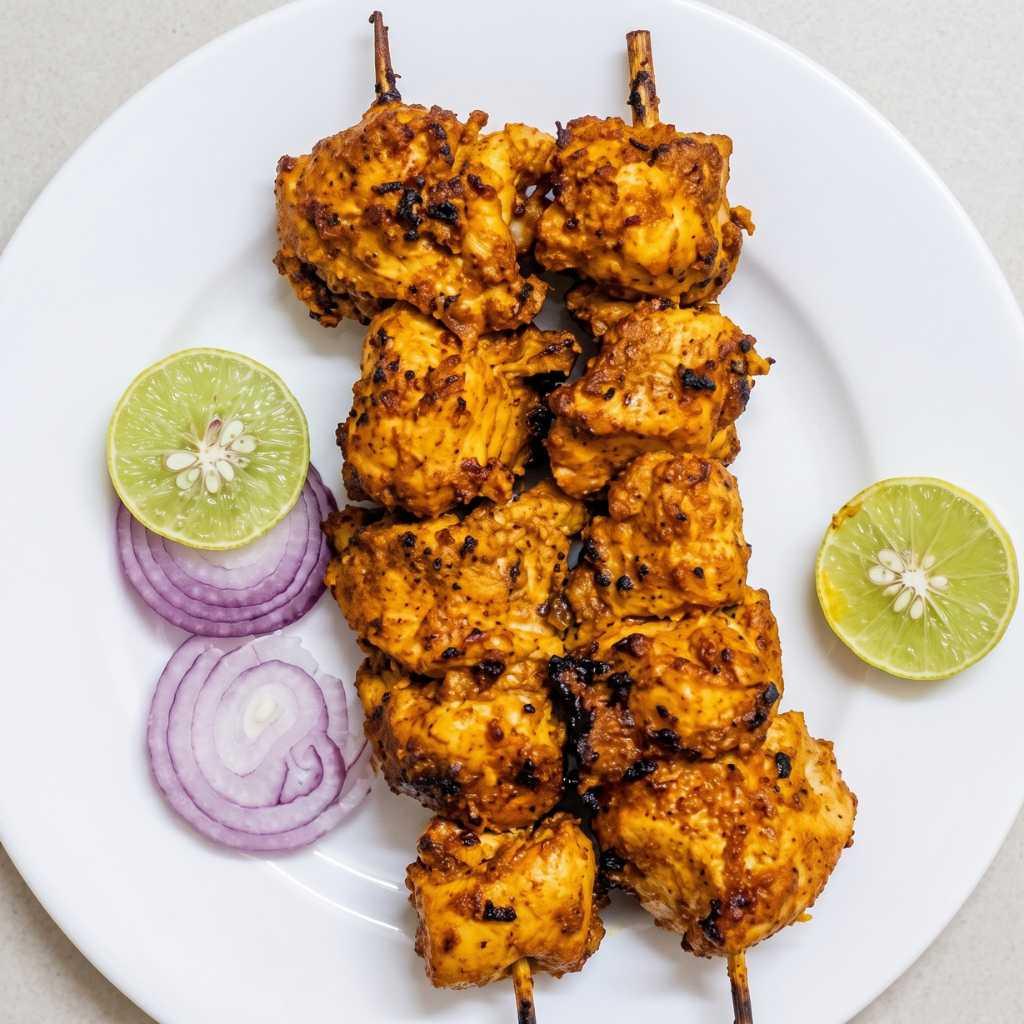
It means every one of the five products is made from hand-slaughtered zabiha meat, or from no meat at all. The Beef Seekh Kabobs and Chicken Seekh Kabobs are made from 100% zabiha halal beef and chicken. The Beef Samosas and Chicken Samosas use zabiha ground beef and ground chicken. The Spicy Potato Veggie Samosas have no meat, and they are hand-folded in the same no-pork, no-alcohol kitchen.
The packs are made in the Ribs 'n' Kabobs restaurant kitchen in Artesia, which is certified by HFSAA. That certification covers the meat supply and the kitchen practice together, so there is no separate "restaurant halal" and "frozen halal" standard. What goes on a kabob platter in the dining room is what goes into a 1 lb pack headed to Cerritos, Anaheim or San Diego.
How do you check whether a product or restaurant is really zabiha?
A few habits that take less than a minute:
- Look for the certifier's name, not just the word halal. A real certification names the body (HFSAA, for example), and you can look the business up on that body's site.
- Ask who the meat supplier is. A kitchen that is serious about zabiha knows its supplier by name and will tell you.
- Ask about the kitchen, not only the meat. Zabiha meat cooked on a grill shared with pork is a problem for most families. Ask whether the kitchen is fully halal. Our zero cross-contamination promise shows what that means in practice.
- Check the whole menu. If a restaurant serves alcohol or has non-halal items on the menu, the certification usually does not cover the whole operation.
For RNK Foods and Ribs 'n' Kabobs, the longer version is in what HFSAA certification means for RNK Foods packs. If you have a question we have not answered, use the contact page and a member of the family will reply.
A short recap for the freezer door
Zabiha halal is the hand-slaughter standard. Halal alone can mean less. Every RNK Foods kabob and samosa is made from zabiha meat in an HFSAA-certified kitchen in Artesia, and ships in insulated packaging across Southern California only, from Los Angeles County down to San Diego. See the five products on the menu.
Frequently Asked Questions
What is the one-sentence definition of zabiha halal?
Zabiha halal is meat from an animal slaughtered by hand by a Muslim who recites the name of God over it, with the blood fully drained. It is the stricter form of halal, and it is the standard behind every beef and chicken product that RNK Foods makes in its HFSAA-certified kitchen in Artesia, CA.
Is all halal meat zabiha?
No. Halal is the wider term and can be used by sellers who only mean the meat is not pork. Zabiha describes the slaughter method itself: by hand, by a Muslim, with the blessing recited for each animal. Stricter certifiers such as HFSAA require zabiha. RNK Foods uses only hand-slaughtered zabiha meat in its kabobs and samosas.
Are the RNK Foods veggie samosas halal too?
Yes. The Spicy Potato Veggie Samosas contain no meat, and they are hand-folded in the same Ribs 'n' Kabobs kitchen in Artesia that makes the beef and chicken products. That kitchen is HFSAA-certified, with no pork and no alcohol on site, so the veggie samosas are made under the same halal practice as everything else.
How can I verify that a restaurant in Southern California is zabiha?
Ask for the name of the certifier and look the restaurant up on that certifier's website. Ask who supplies the meat and whether the whole kitchen is halal, not just one shelf. Ribs 'n' Kabobs in Artesia, the kitchen behind RNK Foods, is certified by HFSAA and has been since it opened in 2014.
Taste It at Home
Hand-made, flash-frozen, 100% Zabiha Halal seekh kabobs and samosas, delivered across Southern California or picked up at the restaurant.
Ribs 'n' Kabobs, 18925 Norwalk Blvd, Artesia, CA 90701